
15 May New research reveals cause of first fire in 12,000 years in the Afroalpine region, triggering national warnings
A wildfire that tore through Africa’s Rwenzori Mountains in 2012 may have triggered the first major fire event in the region’s highest alpine ecosystems in at least 12,000 years, according to new research published in the journal Nature.
Scientists studying sediment cores from remote mountain lakes say the fire, which destroyed roughly 16 square miles of alpine moorland more than 13,000 feet above sea level, was unprecedented in the geological record of the glacier-capped range that straddles the border between Uganda and the Democratic Republic of Congo.
“The charcoal peak associated with the 2012 fire is enormous,” said Andrea Mason, a PhD candidate at Brown University, in a press release. “It completely overwhelms any signal from the last 12,000 years, which is how we determined that the 2012 fire is unprecedented in the Holocene epoch.”
The findings have raised alarm among researchers, who warn that climate change and increasing human activity could permanently alter fragile Afroalpine ecosystems once considered too cold and wet to sustain wildfire.
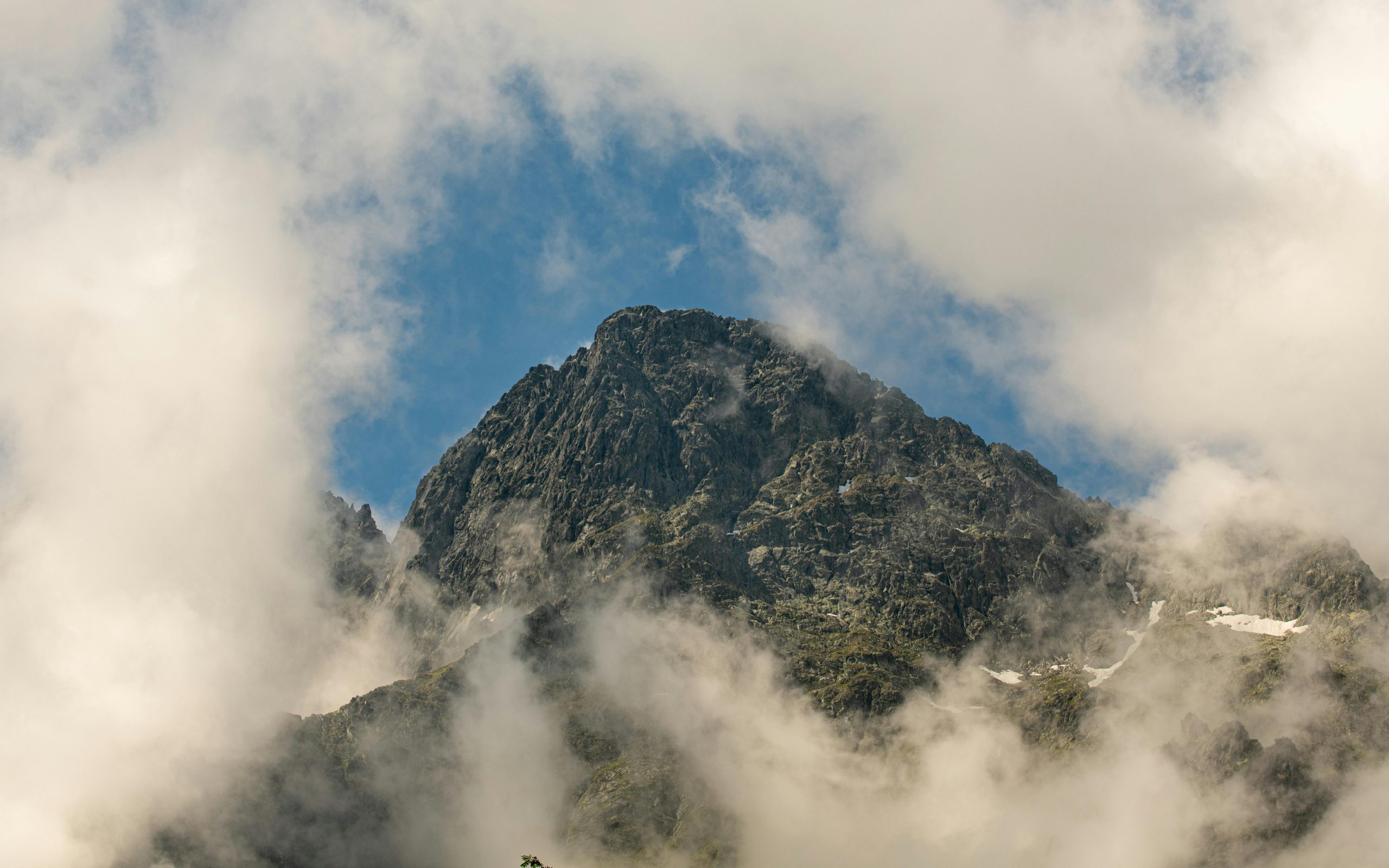
The Rwenzori Mountains form part of a network of isolated high-altitude habitats often referred to as ‘sky islands’, home to rare species found nowhere else on Earth.
Similar mountain regions, including Mount Kilimanjaro and Mount Kenya, have also experienced recent fires, fuelling fears that rising temperatures are transforming landscapes previously protected by harsh alpine conditions.
“These findings imply that the diverse, endemic ecosystems on tropical Africa’s highest mountains are vulnerable to fire and, particularly in the context of climate change, could be permanently transformed if fires become frequent,” explained Mason. “It is critically important to develop management plans that prevent ignitions to preserve these ecosystems.”
To investigate whether the 2012 fire was part of a longer historical trend, researchers undertook expeditions into the mountains to recover sediment cores from two lakes positioned at different elevations.
Lake sediments act as natural archives of environmental history, preserving traces of pollen, charcoal, leaf waxes, and fossil bacteria over thousands of years.
The team analysed samples from Lake Mahoma, located around 9,000 feet above sea level, and Lake Kopello, situated in the alpine zone at approximately 13,000 feet. At the higher-altitude lake, scientists found almost no evidence of significant fires over the past 12 millennia – until the charcoal spike linked to the 2012 wildfire.
According to the study, sediment layers dating to the fire contained more than 100 times the charcoal found in older deposits.
Meanwhile, samples from Lake Mahoma revealed a sharp increase in charcoal around 2,000 years ago, coinciding with archaeological evidence suggesting intensified human activity in the region. Researchers also observed major vegetation changes during that period, with deciduous forest pollen declining while grasses and bamboo became more dominant.
Study co-author Jim Russell, a professor of Earth, Environmental and Planetary Sciences at Brown University, said the findings point to a profound environmental shift already underway in tropical African mountain forests.
Researchers believe a combination of warmer, drier conditions and expanding human presence may now be allowing fires to spread into areas where they were previously unable to survive.
The consequences extend beyond biodiversity loss.
Following the 2012 fire, villages below the mountains suffered destructive flooding after scorched vegetation failed to absorb rainfall effectively.
Scientists have now warned that if fires become more frequent across Afroalpine landscapes, communities living downstream could face escalating environmental hazards.
“People are starting to experience these environmental change moments when a place that they know and love has gotten wrecked. That fire in 2012 was my moment. I’d been going to those mountains a lot for field work, and to see them get scorched was really eye-opening,” said Russell.
Sorry, the comment form is closed at this time.